Laminate Flooring Seam Glue
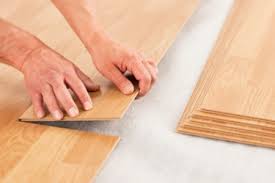
Laminate flooring glue is a product used in the installation of laminate floors. This adhesive is specifically designed for this type of flooring and is most often used with traditional wooden laminate. Using this flooring glue has many benefits, including creating a more durable and sturdy flooring. Although there are self-adhering and glueless laminate floorings available on the market, it is advisable to use glue in areas where high foot traffic is expected. The glue can help strengthen the installation of the floor, preventing it from being removed accidentally with use. Also, use glue in areas where spills and the presence of liquid are a high possibility, like the kitchen or near the sink. This essentially makes the laminate flooring water-resistant. Always read the package instructions before using a laminate flooring glue. Each type and brand of adhesive has specific instructions that you should follow so you don't compromise its effectiveness. One of the main mistakes beginners make when using glue to install laminate floors is that they apply too much glue on the planks.

Applying excessive amounts can prevent you from properly fitting the tongue and groove together. When this happens, you end up with seams that are open. However, applying too little glue is also bad. If too little is placed in between the planks, it will not seal properly and moisture will be allowed to enter, thus resulting in various problems. When using glue with laminate flooring, it is advisable to use urethane-based adhesive products. These types of adhesives contain less moisture and the laminate flooring will not likely absorb it. Also, do not use glue that contains water, unless it is recommended by the manufacturer of the flooring itself. Adhesive should only be placed in between the planks and not underneath it. It is important to remember that you do not want to attach the flooring to the subfloor, but just secure the planks together. It is also advisable to apply glue along the entire top of the tongue of the first plank and then the bottom of the groove on the second plank for the best adherence.
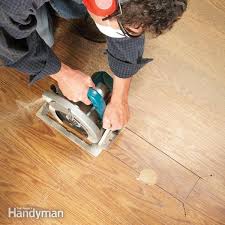
Just like any constructive adhesives, laminate flooring glue requires a certain amount of time to set. For this adhesive, it is best to let it set for at least 24 hours before you can walk on the flooring. Otherwise, it may cause the planks to shift. While the glue is drying, you can leave the spacers in place until it has set and is completely dry. Another important tip that you should remember is to always wipe off any excess after application.
Cheap Lift Tickets SnowbasinThis is to prevent the glue from drying up and creating an uneven floor.
Hoover Carpet Cleaner Blowing Air OutOften, excess appears when you fit the planks together and glue seeps out from between the seams.
Second Hand Tyres WindsorThis savvy guide will teach you how to install laminate flooring like a boss.

Print this out and follow it alongside the manufacturer’s installation guidelines you received with your new batch of laminate floor.Before getting caveman with your laminate flooring installation you must allow the planks to acclimate in the room for at least 72 hours. This is because laminate flooring can expand and contract according to humidity levels in the room. The last thing you want is for the flooring to significantly expand or contract after it has been installed. This could cause the floor boards to separate or buckle. Use the acclimation time to unpack the planks and inspect the product. Look for defects such as chipping, splitting, warping or broken tongues and grooves. It is always savvy to order 5 to 10% more than your required square footage to account for damaged boards, waste and spares for future repairs. Top Tip – use the acclimation period to mix up planks from different boxes to give you the best visual effect, e.g. if you’re using 10 boxes, spread the contents of each box randomly over 5 separate stacks.
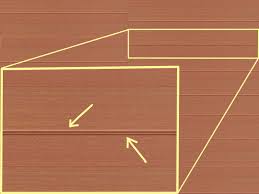
Rip out the old floor – whether it be carpet, tiles or hard wood planks you need to get to the bare subfloor. With the old floor ripped up, use the spirit level or a straight edge plank to make sure the subfloor is level. Any high or low spots will cause unnecessary stress to the floor boards and cause potential damage so you’ll need to sort those out. For a floating floor (a floor that doesn’t need to be nailed or glued like laminate flooring), any height difference should not be higher than a quarter inch more over any eight foot span of floor. If the floor needs levelling you can apply a self levelling thin set mortar to fill in those low spots. With the floor torn up and the place looking like a ghetto this is the best time to get any painting or other work done so you don’t need to worry about making a mess. The wife would certainly approve. There are two types of subfloor – concrete and wood. If your subfloor is concrete then you’ll need a moisture barrier.

Moisture barriers prevent any moisture in the concrete subfloor from penetrating your new laminate flooring. If moisture corrupts the core-board it will warp the planks over time. Vacuum the floor to remove grit and dirt then lay down the moisture barrier ensuring that each row overlaps, it covers every corner of the floor and is held together with duct tape. If your laminate flooring planks don’t come with pre-attached underlay you may want to lay a separate underlay before installing your laminate flooring. This will reduce the noise of foot fall penetrating to the floors below. Unlike the moisture barrier, when you lay underlay DO NOT overlap each row when you duct tape them together. Just make sure each row is tight and flush. It’s time to commence the installation! Before you begin make sure you look over the manufacturer’s installation instructions to familiarise yourself with the steps I’ll be going over in this guide. For aesthetic purposes it’s best to lay the boards in the same direction as the longest straight wall.

If however you have matching flooring in a next door room it is better to lay them in the same direction. For square rooms lay the boards in the direction of incoming light. Once you’ve decided on the direction of the flooring you should start from the left corner of one of the walls you choose. First make sure the expansion gap spacers are in place along the starting wall. Then measure the width of the room accounting for expansion spacers on either side. You can simply measure the width of the room and subtract the gap the expansion spacers create on either side. Generally expansion gaps are about a quarter of an inch. So many installation guides on the internet forget to mention the importance of making sure you trim the first and last row of planks so they will be the same width. This way you avoid the terrible squeezed in look which can easily happen if you haven’t measured right from the start and the last row ends up being just a couple of centimeters wide. Now that you’ve measured the width of the room you can calculate how much you need to trim evenly off the first and last row.

Use a saw (preferably a circular saw or miter saw) and trim the first row. Make sure you trim the tongue side and not the groove side, because the groove side should be the side facing out to the room when you lay the first row. Now that the boards for the first row have been cut to size you can begin piecing together the first two rows. Do this about two feet away from the starting wall from the left to the right. Two important things to remember when laying the floor: As a rule you never want the seams of adjacent boards to be less than 8 inches apart (I recommend 12 inches for a better look). To cut the flooring place the plank on its face (sunny side down) to reduce chipping and use a saw blade. A) Enter the tongue of the long side of row two into the groove of row one. B) Use a slight angle and press downwards until the joint locks C) Attach the next piece of row one, join the tongue and groove of the short side at an angle and press down. Make sure the planks are perfectly aligned.

D) Add the second piece of row two. Enter the tongue into the long side of the groove, slide the plank to align the end joint, rotate downwards and lock the joint. Make sure there are no gaps and no raised edges. Continue until the first two rows are assembled. Top Tip: After installing the first two planks of each row place a weight or a carton of flooring on top of the first plank of each row to hold it in place Once the first two rows are assembled slide them flush against the starting wall maintaining the quarter inch expansion gap using spacers. continue installing the rest of the floor! It’s highly unlikely that you’re not going to face any obstructions like pipes or cabinets when laying laminate flooring. Use a jig saw to cut the flooring to fit and make sure you include the expansion gap around any obstacles you need to work around. When negotiating a toilet or tub make sure you apply a silicon sealant to form a water tight seal, otherwise water could get in an warp your laminate floor.
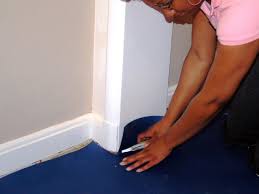
If you read my guide on how to clean laminate floors you’ll learn why it’s so important to avoid water like the plague. If water corrupts the HDF core-board then its only a matter of time before the flooring will start to warp and will need replacing. When you get to the last row you will need to cut your board length wise to make it fit. You should ensure you still allow for your expansion spacer (measure the distance between the wall and the last installed row), then subtract the expansion gap – this is the width for the last row. When marking the cut line do not measure from the tongue (but the edge) then cut the plank along the line. If needed you can use a pull bar to insert the last row because it can often be a little awkward. It’s kind of like using a shoe horn. Last step is to attach the baseboards to the wall, NOT the floor. Moulding should never be attached to the laminate floor because the flooring still needs to expand and contract and won’t be able to do that if there’s a big nail or wood glue holding it in place.