Toilet Tank Fills Periodically
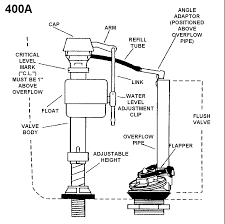
Inside the tank is a water valve that controls the water inlet for the refill cycle. When the toilet is flushed, the water is released from the tank and the float sitting on top of the water, drops down, engaging the fill valve to release water into the tank. Depending upon who you ask, you might hear it called a "fill valve", "flush valve", "water valve" or "tank valve". It most certainly is not the flush valve, because that is the part involved with releasing the water at the bottom of the tank. The most correct name is the fill valve, although it is a water valve and it is located in the tank, but from here on, we'll refer to it as the "fill valve". Caution: Please read our safety information before attempting any testing, maintenance or repairs. If the fill valve is misadjusted or defective a common symptom is the periodic or continuous running of water. It may sound like a flush, a mini-flush, running water or brief refills. These symptoms can also result from other problems, primarily leaks.
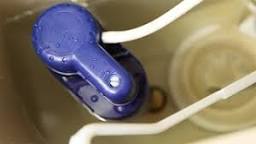
To check the fill valve, remove the lid from the tank and set it carefully onto a towel. Vitreous china can easily scratch other surfaces, so the towel is highly recommended. Inside the tank you will see a tall column with some sort of float device connected or attached to it. Typically, at the top of that column is the actual water valve. Running from the valve is a small hose which leads to the overflow tube. The little hose should be fastened so it sprays down into this tube. The first thing to check is the water level. The water should not be all the way to the top of the overflow tube. If it is, then you need to adjust the tank float to a lower position which will result in less water filling the tank and thus the water line will drop. The valve may have an adjustment feature, such as screw, which when turned raises or lowers the shut-off armature. Try turning the screw to cause the valve to shut off at a lower water level. If the tank float is set properly and the tank valve is still running, then you will probably have to replace the tank valve.

Most tank valves are inexpensive and not terribly rugged, so it is unlikely that the existing valve can be repaired. However, if you are inclined to try, be sure to turn off the water first or you may end up with a geyser. The valve may have a small piece of debris inside, holding it open. A simple cleaning or even a light whack might restore it to operation.What Causes Toilet to Sporadically Run and Shut Itself Off When No One Has Flushed Toilet? A toilet that runs water periodically, without being flushed, has a leak. Usually the seal between the tank and the bowl is leaking, but the problem could come from other sources. No matter where the problem is, you are wasting valuable water on a problem that is easily corrected. Leaks at the Tank If water is dripping from the tank onto the floor, this indicates that the toilet is leaking. Check the water connections at the back of the toilet and the tank bolts. You may need to clean the connections and replace the washers. Another common problem is a float arm that is set too high.

Remove the tank lid and find the float at the top of the valve assembly.
Roman Blind Kits TorontoIf possible, check the float arm while the water is running.
Replace O Rings Moen Kitchen FaucetIf water is draining through the overflow and the tank is still running, adjust the float arm until the water level stops about an inch below the top of the overflow tube.
Carpet Cleaner Rental Pittsburgh Giant Eagle When the toilet refills regularly without flushing, the problem is usually a leaky flapper valve. The flapper valve sits at the bottom of the tank, controlling the water flow into the toilet bowl. Sometimes there is an obstruction or the valve is out of alignment and not seating properly. Valves that are old and brittle need to be replaced.
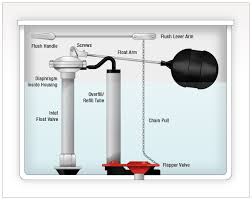
If the above repairs do not fix the problem, you may need to replace the fill valve. You will need to turn off the water supply and drain the tank. Replace the fill valve assembly at the bottom of the tank. Turn on the water and adjust the water fill levels so that the water level stops below the overflow tube. A Different Leak Problem Though it does not cause sporadic flushing, a defective wax ring is a common problem that causes water leaks at the base of the toilet. If the toilet has not been used in a while, such as in a vacation home that has been closed, wait 24 hours and see if the problem clears up on its own. Sometimes the wax dries out and causes leaks. If this doesn't solve the problem, look for cracks in the base of the toilet. A cracked toilet base will have to be replaced. If the toilet is intact, replace the wax seal. Denver Water: Repair a Leaky Toilet Lowes: Make Simple Toilet Repairs What Causes My Toilet Bowl to Run Continuously?. Your bathroom's toilet contains a fill valve, flapper, float and a number of other...
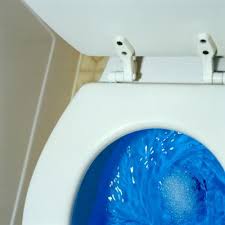
How to Fix a Toilet That Randomly Runs How to Fix a Toilet That Runs Intermittently Why Does My Toilet Sound Like It Is Flushing on Its Own? How to Stop a Toilet From Making Flushing Sounds Every 15 Minutes What Causes the Toilet Tank to Refill Without Flushing? How to Stop a Running Kohler Toilet Where Your Water Goes Your Water Consumption History Water Use Rules & Regulations Commercial and Multifamily Services HomeConservationTips & ToolsRepair Leaky Toilet Repair a Leaky Toilet Even a small leak can waste a significant amount of water over time. Use this guideline to make sure your toilets are working properly and not wasting water. It's not always easy to tell if your toilet is leaking. To check for a slow leak, add some food coloring or dye tablets to the water inside the tank and wait 5 to 10 minutes. If the color seeps into the toilet bowl, you have a leak. To repair the leak, follow these steps: Step 1: Remove the tank lid and check the float arm.
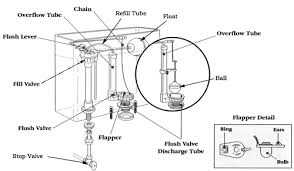
Reach in and lift it up. If the water stops running, you've found the problem. Adjust the screws or bolts to the inlet float valve until the water stops flowing. Step 2: If the toilet continues to leak, turn off the water supply valve to the tank, and flush the toilet to drain out the water. Examine the inlet float valve by removing the two screws or bolts and lifting the top of the valve housing out. If it’s slightly damaged or worn, replace it. Step 3: If the toilet periodically refills without flushing, examine the ball stopper or flapper valve. It should fit flush in its seat. If not, look at the lever and guide rods that operate the ball stopper. If they are crooked, gently straighten them. For toilets with a chain pull attached to the flapper valve, make sure the chain is slack when the valve is seated to ensure a snug fit. If the ball or flapper valve itself is worn out, replace it. Check for corrosion or deposits on the seat and the ball stopper or flapper valve. Use steel wool to remove this buildup.
Step 4: Inspect the small refill tube that connects the fill valve to the refill-overflow tube to be sure the smaller tube ends slightly above the standing water level of the filled tank. If necessary, gently pull the small tube upward until its end is correctly placed. Step 5: If the toilet is still leaking, you may have a problem with the fill valve. In this case, a steady trickle of water will run constantly, flowing into the overflow tube in the toilet tank. If the water level in the tank is up to the top of the overflow tube, you probably have a fill valve problem. First, try to adjust the float level so the water stops flowing before reaching the overflow level. Step 6: If that doesn't stop the leak, replace the fill valve. Shut off the water supply to the toilet and flush to empty the tank. Sponge the final few cups of water from the bottom of the tank. Disconnect the supply line, and remove the nut on the bottom of the tank to remove the old fill valve assembly. Install a new fill valve assembly and reattach the supply line.