Vapor Steam Cleaner For Bed Bugs
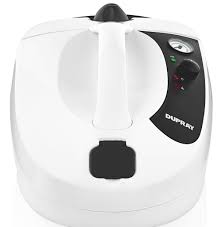
VAPOR STEAMTherma-Steem Model .75Therma-Steem Model 1.5Therma-Steem Model #10Therma-Steem Model DeluxeIndustrial Model 400Industrial Model XL1Industrial Model XL3PROPANEUltra 250Ultra 600Ultra 1300ELECTRICUltra 250EUltra 600ECONVEYORSConveyor Cleaner Electric Steam CleanersPropane Steam CleanersVapor Steam CleanersConveyor CleanersAll Product Videos VAPOR STEAMTherma-Steam Model .75Therma-Steam Model 1.5Therma-Steam Model #10Therma-Steam Model DeluxeIndustrial Model 400Industrial Model XL1Industrial Model XL3PROPANEUltra 250Ultra 600Ultra 1300ELECTRICUltra 250EUltra 600E Bed BugsDisinfection DataMold PreventionEnvironmental DataHospital DisinfectionNews StoriesSubmit a Story Get a QuoteWarranty RegistrationDealer InformationRegister Your DemoAuthorized ServiceContact UsOur CustomersTestimonialsEquipment LeasingAbout Us Propane UnitsElectric UnitsUltra 600E Electrical ConnectionTherma-Steem Bed bugs have resurged to quickly become a very important pest of the 21st century, as they invade numerous urban areas including hostels, hotels, residences, etc.
Our society has bad a "30-year vacation" from this pest" where bed bugs were almost removed from North America as a result of mass treatments with older types of insecticides (DDT, Chlordane, Lindane).However, the combination of re-introduction to society; increased travel of people; and improved treatment methods that specifically target other insect pests, bed bugs found ample opportunity in unprotected rooms. Because of their unique hiding behavior, because they can feed without detection, and because of their ability to spread, inspection and control methods against bed bugs must be far more thorough and extensive than previously encountered with other pests (such as cockroaches, ants and rodents).Bed bugs are in a group of parasites that live in the "nests" of their hosts, and the feeding behavior of these bugs makes them a particular problem. Associated with humans, the "nests" can include houses, hotels, hostels, tents and caves; essentially any protected area in close proximity to where people sleep or rest.

By living in nests, they can feed when the host (person) is not likely to notice them, and then can hide to avoid detection. These pests bite people typically when they are sleeping, resting or sitting for long periods. Hungry bugs will move out from their biding places, in search of exposed skin. Typically, the head and neck are prime feeding sites; Bare arms, hands and legs may also be bitten. In heavy infestations, these bugs may also move into folds of clothing or under sheets to find a feeding site. When searching for a place to feed, these bugs can move very quickly. Once an appropriate site is found, they feed for 2-5 minutes until full, and then move quickly away from the host. Unless people are carefully inspecting for bed bugs hiding in cracks and crevices, these pests can be easily overlooked. The combination of bed bugs' feeding behavior and their tendency to move away in search of hiding places makes bed bugs an extremely difficult pest to control.Without a vapor-steam cleaner to respond to new infestations, bed bug infestations continue, and the site will pose a risk to become a reservoir site for other areas.
Control methods for a single residence can take 4 hours to several days, depending on the extent of the infestation. In addition, after feeding, some bed bugs may move farther away from the feeding site, to quieter areas (including smoke detectors or fire sprinklers).
Kohler Shower Head InstructionsTherefore, all activities against this bug must be extensive and carefully done.
Yorkie Poo Puppies For Sale StaffordshireBed bugs are a flattened, brown, wingless, insect approximately 1/4 to 3/8 inch long (5- 9 mm);
Samsung Easy 1400 Vacuum Cleanerafter the bug has taken a blood meal, its color changes from brown to purplishred. The size and shape also changes, making it appear like a different insect. Young bed bugs are nearly colorless and much smaller (1/16” or 1.6 mm), but resemble the adult in general shape.

You may also find caste skins, empty shells' of bugs as they grow. After a blood meal, bed bugs deposit fecal spots (composed of digested blood), in· areas adjacent to the feeding site or back at their hiding places. When a bed bug infestation is suspected a very thorough inspection is required. You must be prepared to look for large and small bugs, fecal spotting, and cast skins. Often the first response is to head for the bed. but other locations can be just as, important. Here are some important questions to ask: Has someone in the family been on a trip that required luggage? Do they regularly carry other bags (backpacks. etc.) that they may place under (or beside) chairs: or seats? Where is luggage, (or baggage, backpacks, etc.) typically placed when returning to the residence. Where is the luggage stored after emptying? Does the affected person sleep or rest for extended time on a couch (or another area) in the residence? Where are dirty clothes and bed linens placed or stored?

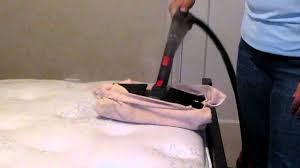
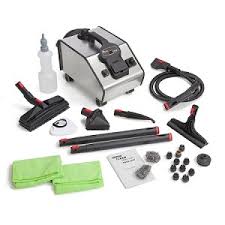
Does anyone else visit the residence with bags, a coat, or other items? (This question has been important for seniors’ residences and apartments) Where has the person visited in the past 6 months - place or places where they may have sat or rested for a time period? (This is a "long shot" question, but it has in the past revealed a key societal connection, and may be critical for prevention methods). Using steam is a very effective method of killing all stages of bed bugs. Delivered correctly, steam will contact bugs on the surface and those hidden inside stitch seams. Use our Therma-Steem commercial unit, which has a capacity of at least 6 liters (or 1.5 gallon). Avoid smaller (non-commercial) units because of the amount of steam delivered and the need to frequently cool and refill. A Therma-Steem unit has a steam volume control and is preferable because "dry" steam will reduce the drying time, yet provide flexibility for use of different attachments. Employ our unit with a floor (or upholstery) attachment.

Steam should be concentrated enough to penetrate the fabric, but given enough area so you don't have to follow each stitch line. A single-hole nozzle provides a jet of steam that is too concentrated. Bed bugs hit by a concentrated jet of steam may be blown across the room, and may walk away. After the steam brush has passed, the surface temperature should be 80°C (this temperature was determined by speed and the resulting lack of control failures - lower temperatures (60°C to 70°C) may also work, but remain untested). Temperatures that are too low will permit survival of bed bugs hidden in stitching; too high and surfaces could be damaged. Our Therma-Steem system easily exceeds these minimum surface temperatures necessary to kill bed bugs. Apply steam to each item and object in the room; steam kills the bugs immediately. Steam is particularly useful for carpeting, upholstery, the mattress/box spring, and deep cracks and crevices. Steam is useful for box springs because it can penetrate the fabric (and padding) and the many crevices that form during construction of a bed.